Nicholas Yonge Society
International Chamber Music in Lewes
| Shostakovich | String Quartet No. 10 |
| Shostakovich | String Quartet No. 8 |
| Shostakovich | String Quartet No. 2 |
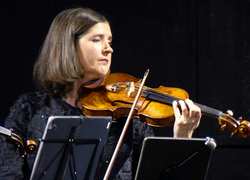
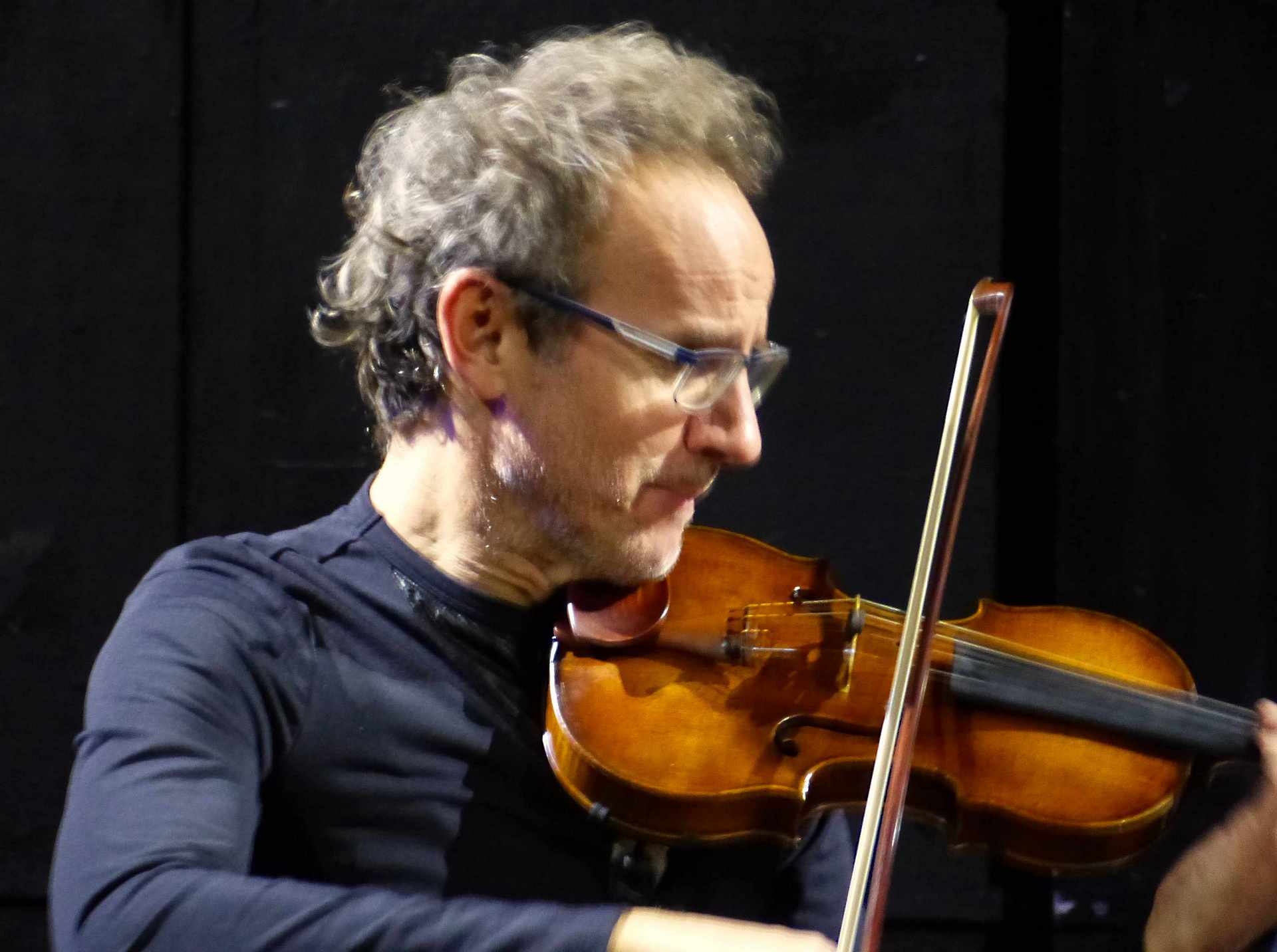
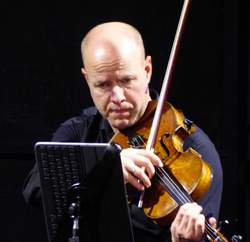
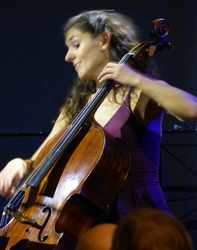
The Carducci String Quartet visited Lewes for the second in this year’s season of Nicholas Yonge concerts. It was an all-Shostakovich programme that took us back in time from the relatively late tenth (1964), followed by the eighth (1960) and finally the second, written in 1944 just after the liberation of Leningrad. The Carducci have a well justified reputation for their interpretations of Shostakovich’s quartets, including a performance of the complete cycle in a single day on August 9th 2015, the 40th anniversary of his death.
The Tenth Quartet begins with a repeated rhythmic sequence from solo violin, which is then passed between the other players. It has a gentleness that nevertheless seems to hide uneasiness. The quality of the Carducci’s playing was immediately evident in the way in which the theme was so effortlessly passed between them. The second violent movement was outstanding for the way in which the detail remained clear despite the ferocity of the writing. The following Adagio demonstrated another strong point of their performances as Emma Denton’s cello theme soared above the held chords from the other members of the quartet. The final movement, returning to earlier themes brought the piece to a calm conclusion.
The Eighth Quartet was written at an especially low point in Shostakovich’s life. An article, notionally written by him, had just been published in which he condemned 12 tone music, he had finally felt obliged to join the Communist party and was contemplating suicide. The music, appropriately for something that he may have intended as an epitaph, is dominated by the DSCH theme that he had used so often before. The gentle opening did reveal one issue, which perhaps was just due to the acoustics of the hall. It seemed to me that the balance between the two violins and cello was close to perfection, but that there were times when I would have welcomed a little more presence from Eoin Schmidt-Martin’s viola. But the technical assurance of the following Allegro Molto was wonderful, as were the three slower movements that complete the work. It was hardly surprising that the audience took a few moments to draw breath before the enthusiastic applause and cheers that followed.
After the interval we heard the Second Quartet, first performed in November 1944 during a concert that also included the second Piano trio with Shostakovich himself on piano. It was clear by this time that the war would end in Germany’s defeat, and Ian MacDonald (in ‘The New Shostakovich’) suggests that this is reflected in the opening bars. But it already seemed that Stalin would soon reassert control over Soviet cultural life, which Shostakovich had every reason to fear. McDonald argues that the music characterises aspects of the dictator’s personality as this movement develops. In the Recitative and Romance, the interplay between violin and cello, accompanied by held notes from the other players was beautifully captured. The waltz-like third movement is followed by an extended set of variations on a folk-like tune that become increasingly complex before an Adagio that concludes the work.
As the music drew to a conclusion I felt that I had heard all three works in a new light. Perhaps these were less emotionally involved performances than some, but the technical assurance and commitment of the playing was so rewarding. All in all, a highly successful concert and a demonstration that the string quartets are one of Shostakovich’s greatest achievements.
Reviewer: Pete Clifton
Photographer: David James